

Columbia Asia adopts robotic-assisted knee replacement for better surgical outcomes
)
Offering real-time 3D anatomical data during surgery, robotic systems promise more precise procedures, shorter hospital stays, and faster recovery.
Robotics are steadily entering the operating theatres of hospitals across Asia.
A wave of new robotic surgical systems has emerged in recent years across multiple specialties, driven in part by technological advancements and expiration of key patents. Healthcare providers now have access to a wider range of options, at more affordable price points.
One hospital group that has recently adopted robotic-assisted systems (RAS) is Columbia Asia, which runs 13 medical facilities in Malaysia.
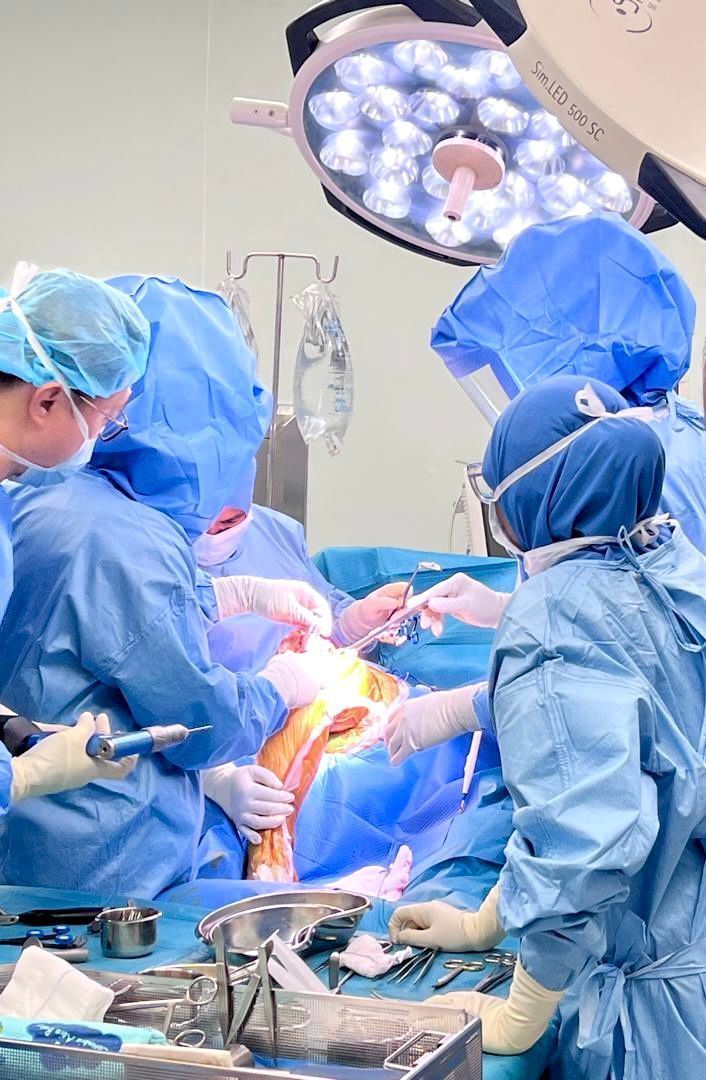
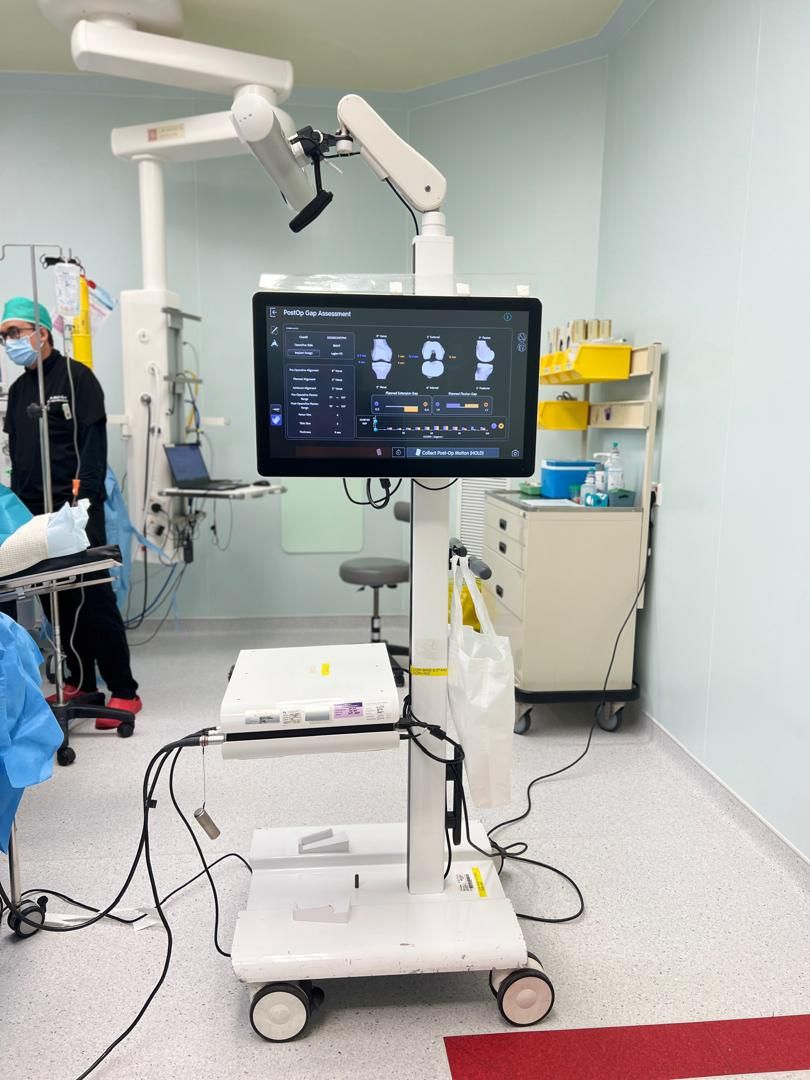
Starting with its flagship hospital in Tebrau, Johor, the group plans to roll out the CORI® RAS – a robotic system designed for total knee replacement (TKR) surgeries – across its network over the next few years.
Robotic-Assisted Knee Replacement: How It Works
 |
Dr James Chong, CEO of Columbia Asia Hospital Tebrau, noted that robotic-assisted TKR offers benefits across the care journey, from pre-operative planning and intra-operative accuracy to post-operative recovery and rehabilitation. Before the surgery, specialised software creates a detailed 3D model of the patient’s knee, guiding a personalised surgical plan and implant selection. Surgeons continue to have access to real-time 3D anatomical data during the surgery, enabling more precise bone preparation, soft tissue balancing, and positioning of the knee implant. |
This contributes to better surgical outcomes, including improved joint stability, better alignment between the implant and bone, and more natural knee movement after surgery.
A US study compared outcomes for patients who underwent manual versus robotic knee replacement surgeries between 2016 and 2019. It found that those who underwent the robotic option had hospital stays nearly half a day shorter, with a lower rate of complications such as infections, blood loss, or dislocations.
For clinicians, the learning curve of robotic-assisted TKR systems has also proven to be less steep, as they do not deviate from typical surgical methods, but simply offer enhanced planning and insight capabilities.
Factors Driving the Adoption of Robotic-Assisted Knee Replacement
Demand for TKR is expected to rise rapidly in Malaysia as the country’s population ages. In addition, patients who have had TKR may also require revision surgeries due to degenerative conditions or implant wear with time.
Columbia Asia Hospital Tebrau currently performs TKR procedures, and with the adoption of RAS, the hospital expects the number to increase to approximately 120–150 per year. The introduction of RAS is anticipated to support more consistent surgical outcomes while improving patient comfort — key factors in enhancing the overall patient experience and satisfaction. “Patients today are increasingly savvy — they know about robotic technologies and other innovations available in the market,” said Dr Chong.
“At the same time, when it comes to surgery, their top two considerations are safety and cost. This RAS checks both boxes — it promotes better surgical outcomes for faster recovery, and its cost is comparable to conventional treatment. The question then becomes: why not?”
 |
 |
Capturing the Value of Innovative Technologies
With new robotic surgery platforms emerging from US, China, and Europe, providers are increasingly spoilt for choice.
However, Dr Chong emphasised that hospitals should not adopt technology simply for the sake of doing so.
“At the end of the day, the question is whether the investment is justified by the value it delivers to patients,” he said.
“Some technologies come with a high price tag, and that cost burden may be passed on to patients or make the treatment inaccessible to many. We must strike a balance between cost and the improvements in patient outcomes that the technology delivers.”