

Healthcare without walls: How NHG Health is building a scalable, AI-enabled home care ecosystem
)
Dr Ravi Sachdev, Chief Clinical Informatics Officer at Singapore's Tan Tock Seng Hospital shares his perspectives on Singapore's progress in remote care
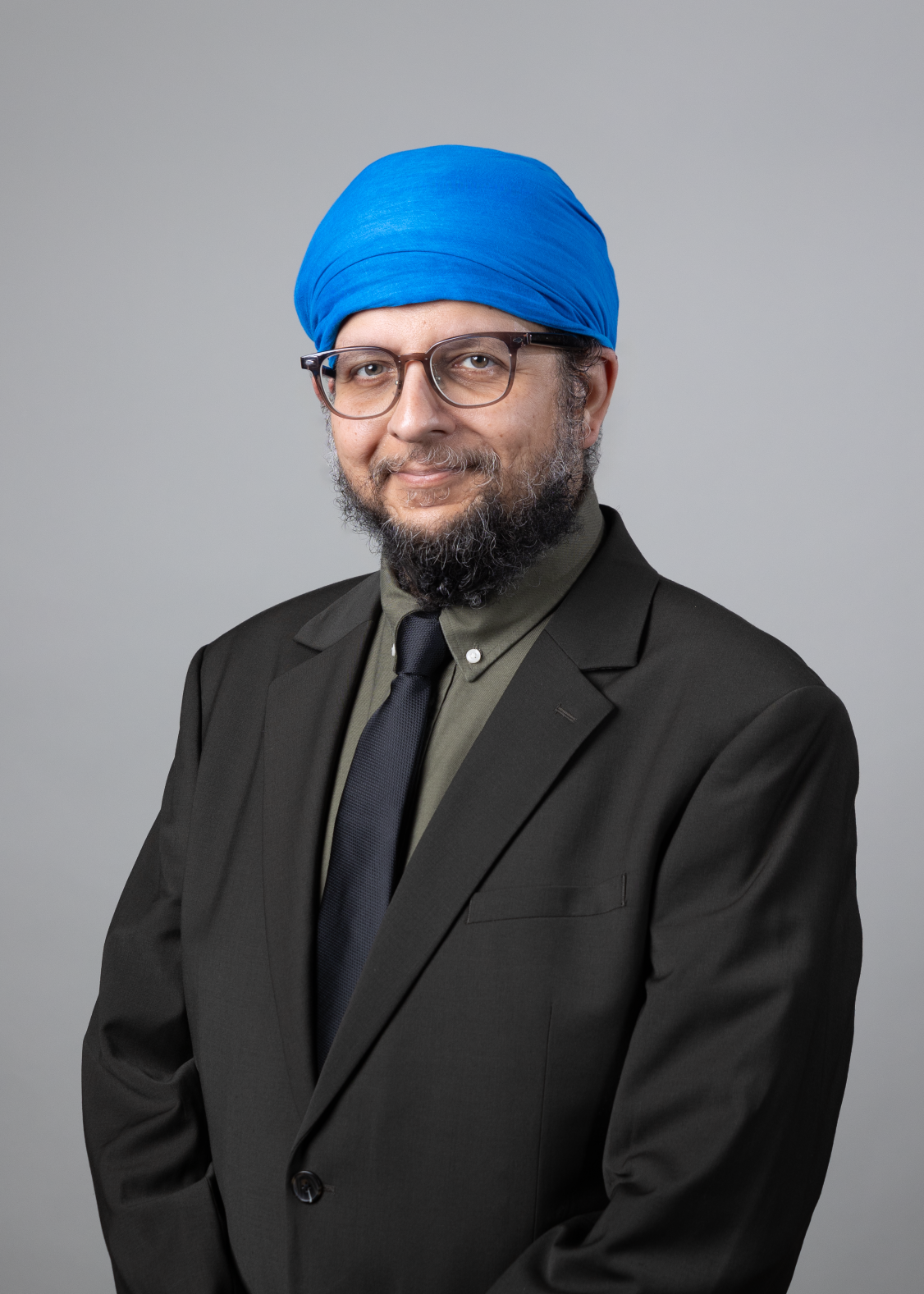 |
In Singapore, the future of healthcare is quietly being redesigned—not inside hospital wards, but in homes, GP clinics, and through the cameras of patients’ mobile phones. And few people are closer to this shift than Dr Ravi Sachdev, Chief Clinical Informatics Officer at Tan Tock Seng Hospital (TTSH) and a key figure driving telehealth and home care initiatives across the National Healthcare Group (NHG). “We are reaching a point where clinicians simply cannot confine to the way they care for patients in a standard consult,” Dr. Ravi explains. “There’s so much data available from phones, wearables, and home devices. We must engage patients where they are— which is outside the hospital walls.” |
It’s a bold statement, but one backed by tangible work already underway. Over the past few years, his teams have been building a layered home care ecosystem—one that uses telehealth, consumer technology and AI triage to treat, monitor, and manage patients more flexibly, more efficiently, and in many cases, much earlier.
Rethinking How Clinicians Work with Patients
The traditional model of healthcare relies heavily on in-person reviews, periodic check-ups, and the assumption that clinical decisions can be made on episodic encounters. But chronic disease prevalence, ageing populations, and clinician workload have made this model both expensive and unsustainable.
“Clinicians have to start working with their patients outside the standard consultation,” Dr. Ravi says. “Remote monitoring gives us a continuous picture. But the datasets are huge—no clinician can manually keep track of everything.”
This is where AI has begun to play a transformational role.
AI triage is not about replacing clinical judgement—it’s about surfacing what matters most, Dr. Ravi emphasised “We’ve been working on several AI projects to streamline remote monitoring, leveraging algorithms to help identify which readings are abnormal enough to need intervention.”
Patients benefit by being monitored more closely and more consistently. Clinicians benefit from timely insights. And the healthcare system benefits from catching deterioration earlier before the cost—and complexity—spirals.
Reducing Specialist Wait Times: The One-Week Telehealth Pathway
One of the most remarkable innovations at TTSH is a new referral model that may drastically cut specialist wait times.
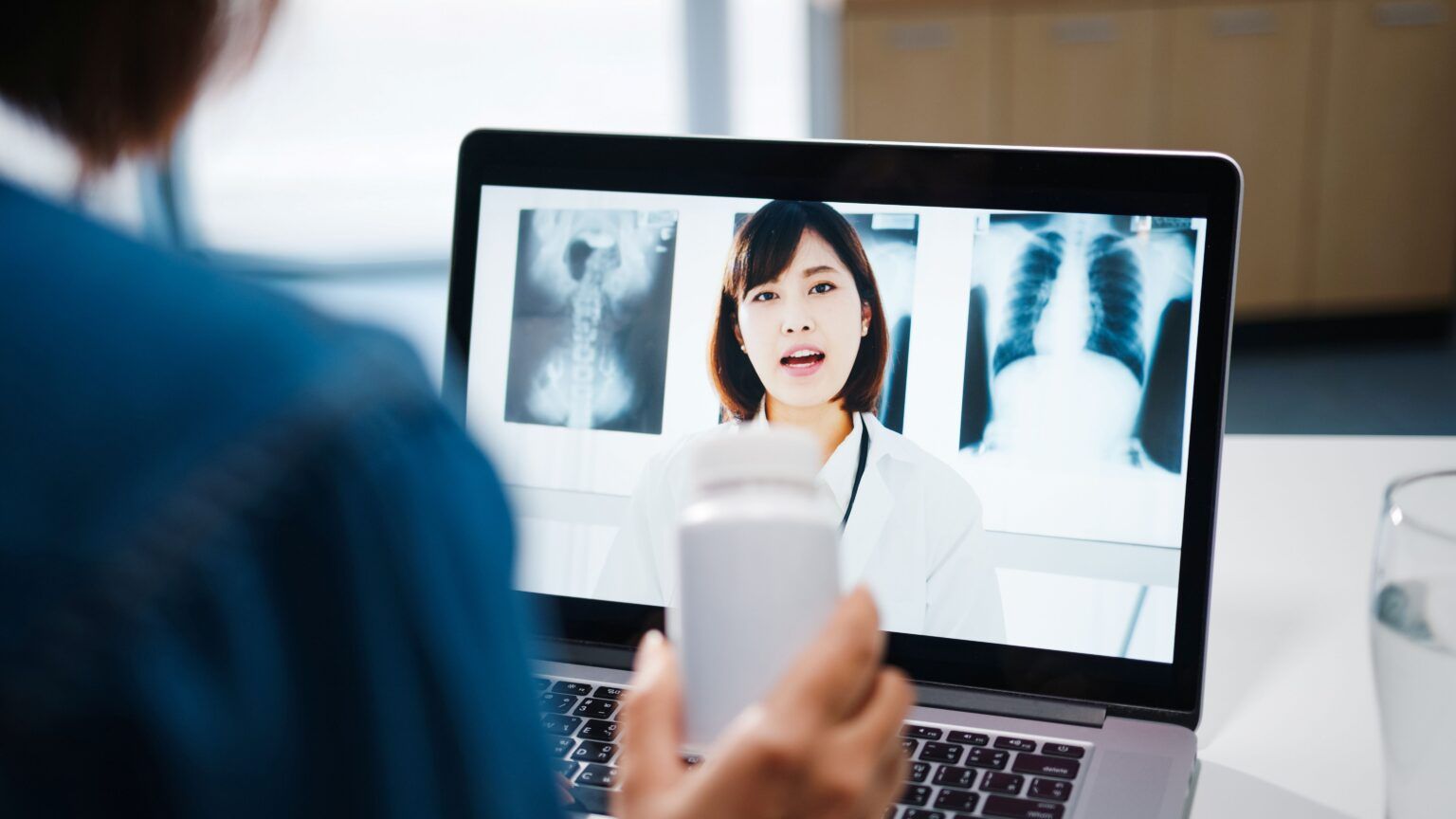
“When a GP refers a patient to a specialist, the wait can be six to eight weeks,” he notes. “But with telehealth, we intend to offer a remote consult within a week or even on the same day.”
The consultation doesn’t happen at home but at the GP practice, inside a purpose-built telepod equipped with AI-enabled tools including RPPG sensors(Remote Photoplethysmography sensors which measure vital physiological signs without physical contact) and other peripheral devices. These telepods would enable specialists to perform near-complete examinations remotely without patients travelling to the hospital.
“A telepod lets them make their first visit quickly. They get the diagnosis and management plan early. By the time they come to the hospital, we’ve already dealt with the initial problem.”
This model has implications far beyond convenience—it has the potential to transform Singapore’s entire referral management pathway.
The New Stethoscope: AI-Assisted Auscultation at Home
Not long ago, interpreting heart or lung sounds remotely would have been unthinkable. Today, Dr Ravi’s team is testing several digital stethoscopes equipped with AI that can support home care providers, GP partners, and even patients themselves.
“We’ve tried a few smart stethoscopes; it is quite promising,” he says. “The AI can interpret lung and heart sounds, which have traditionally been very difficult to analyse.” Such tools could help decentralise complex clinical assessments, making home care safer and more sophisticated.
Beyond Devices: The Rise of ‘Device-Free’ Monitoring
One of the most innovative developments underway involves removing the need for medical peripherals altogether.
By just using a patient’s mobile phone camera, Dr Ravi’s team has been testing RPPG-based methods to measure blood pressure, heart rate, and oxygenation.
“You don’t have to carry anything extra, just your phone,” he explains. The AI interprets the subtle changes captured by the camera to give clinically relevant readings.”
In parallel, they are also validating the use of consumer wearables, like smart watches, to perform medical-grade monitoring.
“These devices are getting better, and they’re far more affordable. We want to utilise solutions that patients are already comfortable with.”
Another upcoming project aims to capture retinal images remotely using a phone-based application, allowing ophthalmologic assessments to happen outside specialist clinics.
“These technologies are still early, but if validated well, they could completely change how we manage chronic eye diseases and diabetic complications.”
Security, Standards, and the Hard Work Behind the Scenes
New models of care bring new risks—especially around data security and interoperability.
The long-term plan is to integrate validated remote data directly into MyChart, NHG’s patient portal, and subsequently into the existing EMR.
This now becomes significantly easier with Singapore’s two new national standards around interoperability and integration of health information, introduced in October 2025, which includes, ia standard API for patient-generated health data.
“Until now, many devices produced data that wasn’t even HL7 compliant,” he points out. “These standards finally allow us to make consumer-device data clinically usable.”
Are Patients and Clinicians Ready?
Contrary to expectations, clinician resistance hasn’t been a major barrier.
“Clinicians are actually quite open,” Dr Ravi says. “As for patients, some prefer traditional care, but many others—especially younger ones—want to contribute their data and be monitored remotely.”
His view is pragmatic: remote care will not replace in-person visits, but it will dramatically reduce the number of unnecessary ones.
“We’re designing for the future. The next generation won’t see healthcare the same way as the current one,” Dr. Ravi says.
A Healthcare System Without Walls
From AI triage and telepods to digital stethoscopes and device-free monitoring, Singapore’s remote care ecosystem is expanding rapidly. The experiments may be diverse, but the goal is consistent: deliver safe, timely, high-quality care in ways that fit patients’ real lives.
“We may not know which technology will be the ultimate solution,” Dr. Ravi reflects. “That’s why we’re taking a multimodal approach. What matters is that we keep pushing boundaries to make care more accessible, more affordable, and more continuous.”
In a world where healthcare is moving beyond bricks and mortar, Singapore is proving that innovation isn’t just about shiny tools— it’s about reimagining care itself.