

Pondok Indah Hospital Group’s blueprint for digital healthcare excellence
)
The first in Indonesia to achieve EMRAM Stage 7, the group has created a seamless information ecosystem across its three facilities for enhanced safety, efficiency and quality of care.
After achieving the highest global validation for its hospital management systems and technology, Pondok Indah Hospital Group (RSPI) is not resting on its laurels. Instead, the achievement has become a catalyst for continued innovation while ensuring the highest standards of patient care.
 |
“This achievement encourages us to continue innovating, optimising our digital systems, and advancing health technologies in a sustainable way to deliver services that are safer, more effective, and centred on patients’ needs,” said Imam Daru Nurwijayanto, Chief Information Technology Officer of RSPI, in a recent interview with Hospital Management Asia. |
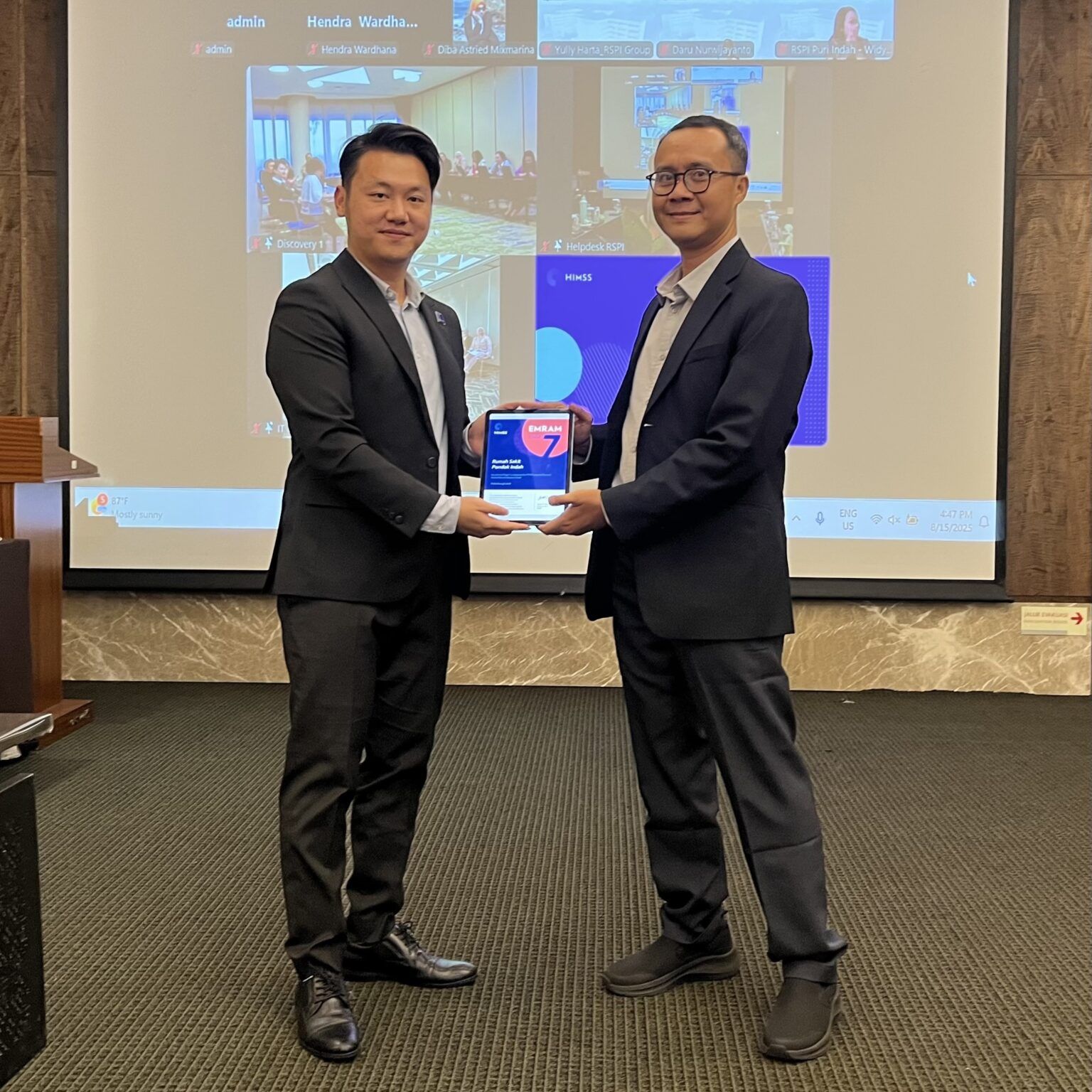
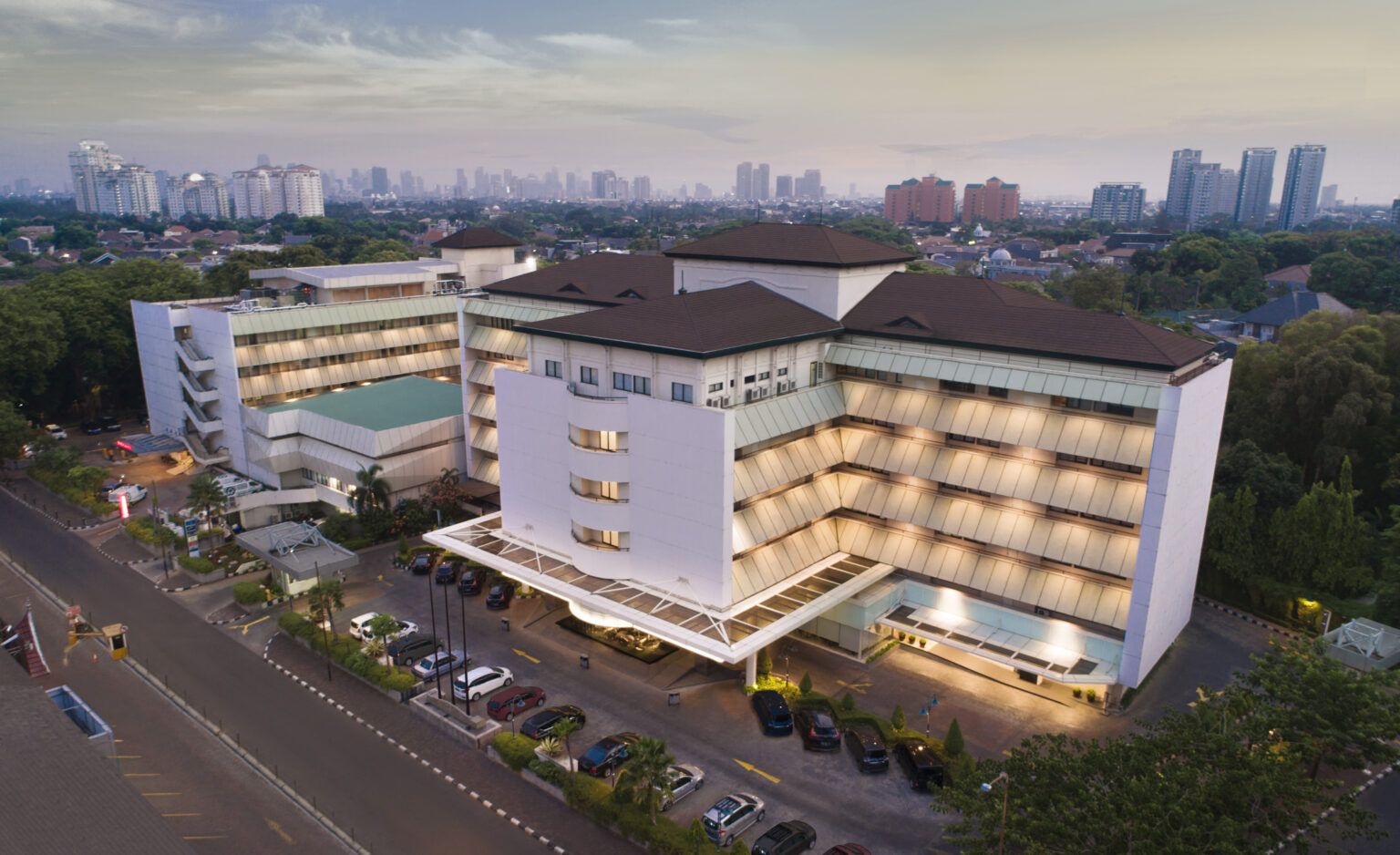
Operating three hospitals in South Jakarta, West Jakarta, and Tangerang that serve around 250,000 patients annually, the group achieved Electronic Medical Record Adoption Model (EMRAM) Level 7 in August 2025, making it the first hospital group in Indonesia to reach this milestone.
This “digital report card” is awarded by the Healthcare Information and Management Systems Society (HIMSS), a non-profit organisation that promotes the global adoption of best practices in health information and management systems. EMRAM serves as an international benchmark to measure the digital maturity of hospitals, with Level 0 as the lowest and Level 7 as the highest.
A Level 7 certification indicates that a hospital’s systems leverage real-time data for personalised, patient-centred care, and nearly all processes are digitalised and paperless.
A collective effort towards EMRAM Stage 7
Imam noted that the journey toward Level 7 was a long and comprehensive process. All units, from patient admissions to the information technology (IT) team, were involved, each playing a crucial role in advancing the digital transformation standards.
The initial stage began with a comprehensive assessment to identify gaps against EMRAM Level 7 standards, including the integration of vital sign monitoring devices to improve accuracy and reduce administrative burden. The evaluation also covered the extent to which an integrated online appointment system was implemented via the website, the RSPI Mobile application, and WhatsApp, with the findings forming the basis for system feature development and the procurement of supporting equipment.
According to Imam, the biggest challenge was not merely technological, but cultural.
“Technology adoption is not merely about installing systems, but about fundamentally transforming how the organisation works,” he emphasised. “Standard operating procedures that have long been used are deeply rooted in daily practices, so adjustments take time.”
Therefore, change management became crucial to ensure that all 2,500 employees of RSPI Group understand the benefits of digital transformation. This process includes effective communication, regular training, as well as continuous monitoring and evaluation.
Management support also played a critical role in providing resources and strategic direction. Medical professionals were involved from the outset to ensure that the systems developed aligned with clinical needs, while the IT team served as a bridge between medical requirements and technical solutions.
“Collaboration between management, medical staff, and the IT team is crucial to creating a solid digital ecosystem,” Imam said.
 |
 |
Tangible impact in clinical outcomes and patient experience
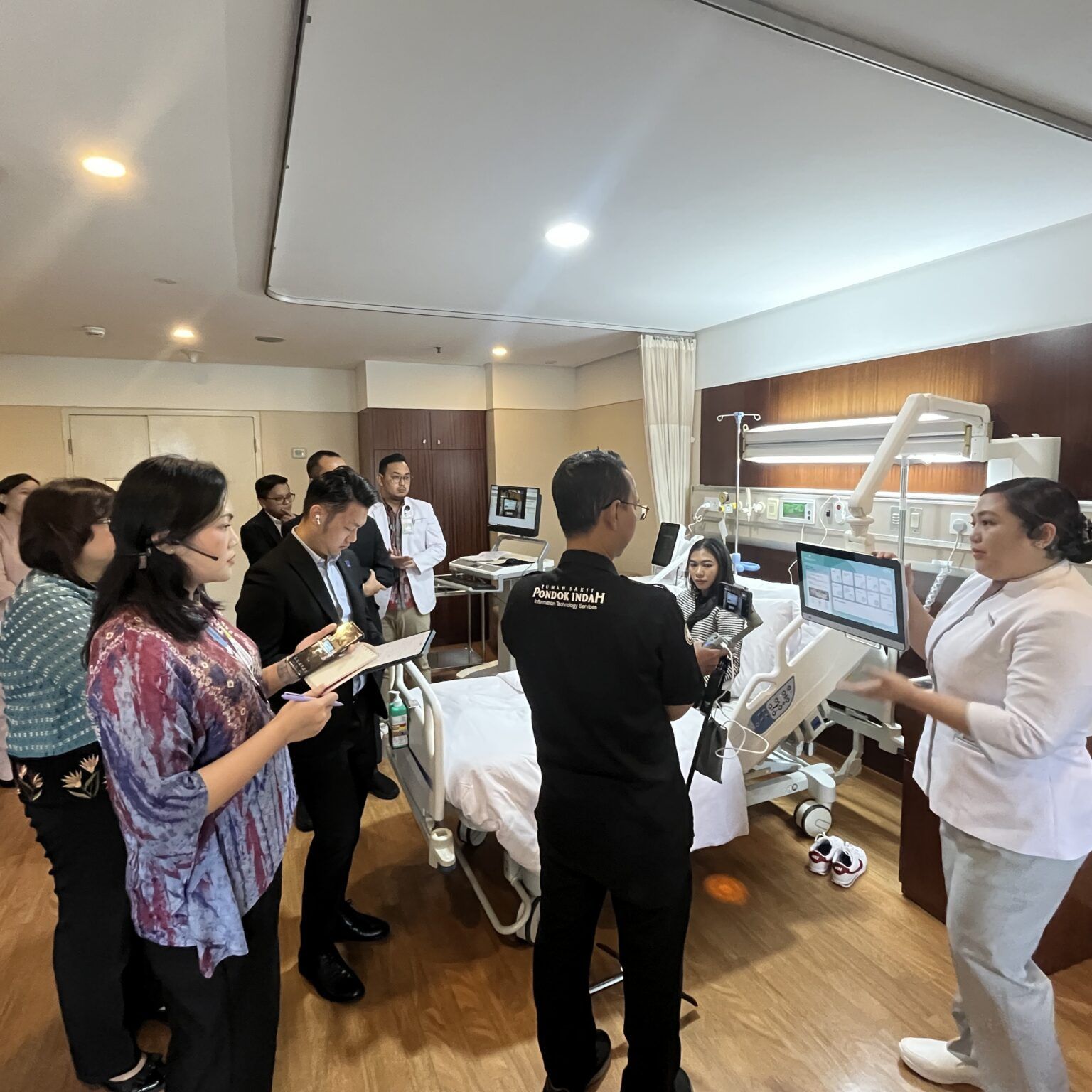
Today, patient data at RSPI moves swiftly behind the scenes from various medical devices to the EMR, creating a connected information ecosystem.
One of the most significant transformations occurred in the integration of patient vital sign recordings. In both outpatient and inpatient services, the data is now automatically transmitted to the Hospital Information System without the need for manual entry. In intensive care units, devices such as syringe pumps, infusion pumps, and ventilators are also directly connected to the system. Data on medication administration and clinical parameters flows in real time, enabling faster and more precise medical responses.
“This integration minimises the risk of human error and improves the accuracy of patient condition monitoring,” Imam explained.
The transformation has impacted not only clinical quality but also patient experience.
“We have introduced a digital engagement platform so patients can interact with the hospital system more quickly, transparently, and efficiently,” he said.
Through the system, patients can schedule appointments and receive automatic reminders on their next visits. Access to medical information has also become easier and more structured.
Accelerating digital transformation in Indonesia’s healthcare sector
At the national level, the group’s EMRAM achievement forms part of a broader wave of digitalisation in the healthcare sector. In 2022, Pondok Indah Hospital Group was the only hospital in Indonesia validated at Level 6. Three years later, several other hospitals reached the same level before Pondok Indah Hospital Group became the first to advance to Level 7.
“This development shows that digital transformation in Indonesia’s healthcare sector is becoming increasingly advanced and competitive,” Imam said.
He also noted that the Ministry of Health has begun adopting standards aligned with EMRAM for implementation across hospitals. The move reflects growing national awareness of the importance of digitalisation in improving healthcare quality.
For Pondok Indah Hospital Group, achieving EMRAM Level 7 is not the finish line.
“This is the beginning of a broader and deeper digitalisation journey,” Imam said.
Future innovations in the pipeline include a real-time patient feedback platform.
It has begun implementing artificial intelligence (AI) technologies, for example in its 512-slice CT scanner, to generate faster and more accurate medical imaging analyses. AI has been introduced in knee replacement procedures to enhance surgical precision, as well as in early prostate cancer detection to identify more precise areas of concern.
The group is also exploring the adoption of other relevant global standards to further enhance service quality and operational efficiency.
“We want to ensure that these systems and processes not only meet international standards but can also integrate with the broader healthcare ecosystem,” Imam said.