

Wearable technologies shaping healthcare: 4 case studies from Asian hospitals
)
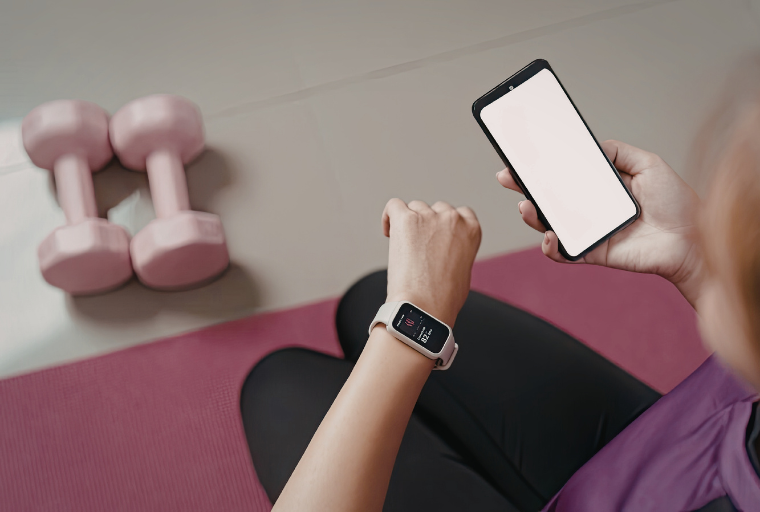
From garments, rings, earrings to skin patches, a host of wearable technologies have emerged in recent years, embedded with smart probes, sensors and algorithms that conveniently track a person’s key health data.
As the trend gains momentum, wearable products are projected to increase 42-fold to reach two billion units annually by 2050. Continuous ECG and blood pressure monitors currently dominate the market, but non-invasive glucose monitors are projected to drastically increase in market share in the coming years.
By enabling non-invasive, real-time monitoring of health data, wearables allow healthcare providers and individuals to track their health data with more depth and detailed, in contrast to physical health check-ins that only offer occasional snapshots of health.
As these technologies move beyond the conventional fitness bands and watches into medical-grade clinical tools, they are becoming powerful tools in hospitals’ drive to deliver more proactive, personalised, and data-driven care.
In 2026, expect a wave of innovative wearables driven by converging trends in advanced sensors, artificial intelligence (AI), wireless connectivity, and integration with electronic health systems, supporting the wider shift of healthcare beyond hospital walls.
Novel uses of wearable technologies in Asian healthcare
Here are four recent examples of wearable technology pilots and implementation, for a glimpse into what we can expect ahead:
Traditional ultrasound systems are bulky and deployed primarily in hospitals, limiting long-term frequent patient use. A new collaborative research project – Wearable Imaging for Transforming Elderly Care (WITEC) – is bringing together top researchers from Massachusetts Institute of Technology, Nanyang Technological University, and National University of Singapore in developing the world’s first wearable ultrasound imaging system. This system will combine bioadhesive technology and AI for up to 48 hours of uninterrupted, real-time imaging, supporting continuous monitoring and diagnosis of chronic diseases such as hypertension and heart failure.
Chung-Ang University Kwang-Myung Hospital has adopted a comprehensive remote patient monitoring system powered by wearable biosensors, which measure key data such as electrocardiogram readings, body temperature and oxygen saturation. An AI-driven monitoring system processes the data and provides real-time insights to medical staff for timely interventions if needed. With the majority of the country’s wards still relying on manual nurse rounds, such systems could significantly improve patient monitoring, particularly for the 20% to 30% of inpatients who are too ill for general wards but not requiring ICU care, said the hospital.
Wearable technology was among the highlights at the Guangzhou Medical and Health Industry Expo held last August. One of the exhibiting institutions, Guangzhou Red Cross Hospital, highlighted the value of wearables in elderly care – a fast-growing patient population as China rapidly ages, and who often require closer medical attention. By continuously capturing key physiological parameters and analysing them using advanced predictive software, these devices can alert clinicians to emerging health risks early – enabling timely, and potentially life-saving, clinical interventions.
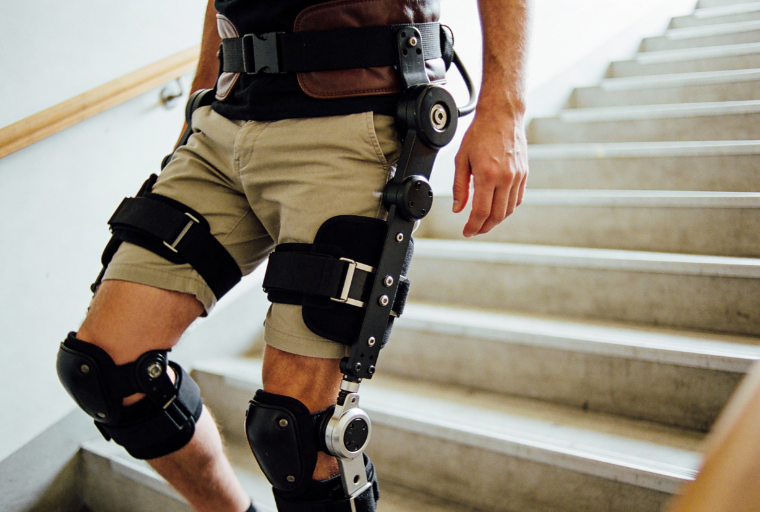
An innovation lab at Stroke Support Station (S3), a Singapore-based charity, is trialling projects around stroke rehabilitation and wellness. One of these is a wearable robotic glove that helps support patients’ limb movements as they perform rehabilitative activities at home. Post-stroke patients can now also turn to wearable exoskeletons that help with gait training, with strong results demonstrated so far in enhancing functional recovery and mobility.
Building a more connected, seamless future for healthcare
As these examples illustrate, innovative applications of wearables into clinical pathways will help extend the reach of healthcare services and shift care from reactive episodes to continuous, preventive management – crucial in supporting Asian healthcare providers facing growing care demand and access challenges.
The projected growth in adoption and scale of these technologies is set to redefine how care is delivered, bridging gaps between inpatient wards, community settings, and patients’ everyday lives.